
To select the most suitable camera for the probe, they have tested the resistance of several models to low temperatures
The team is considering using a camera that records in 360 degrees
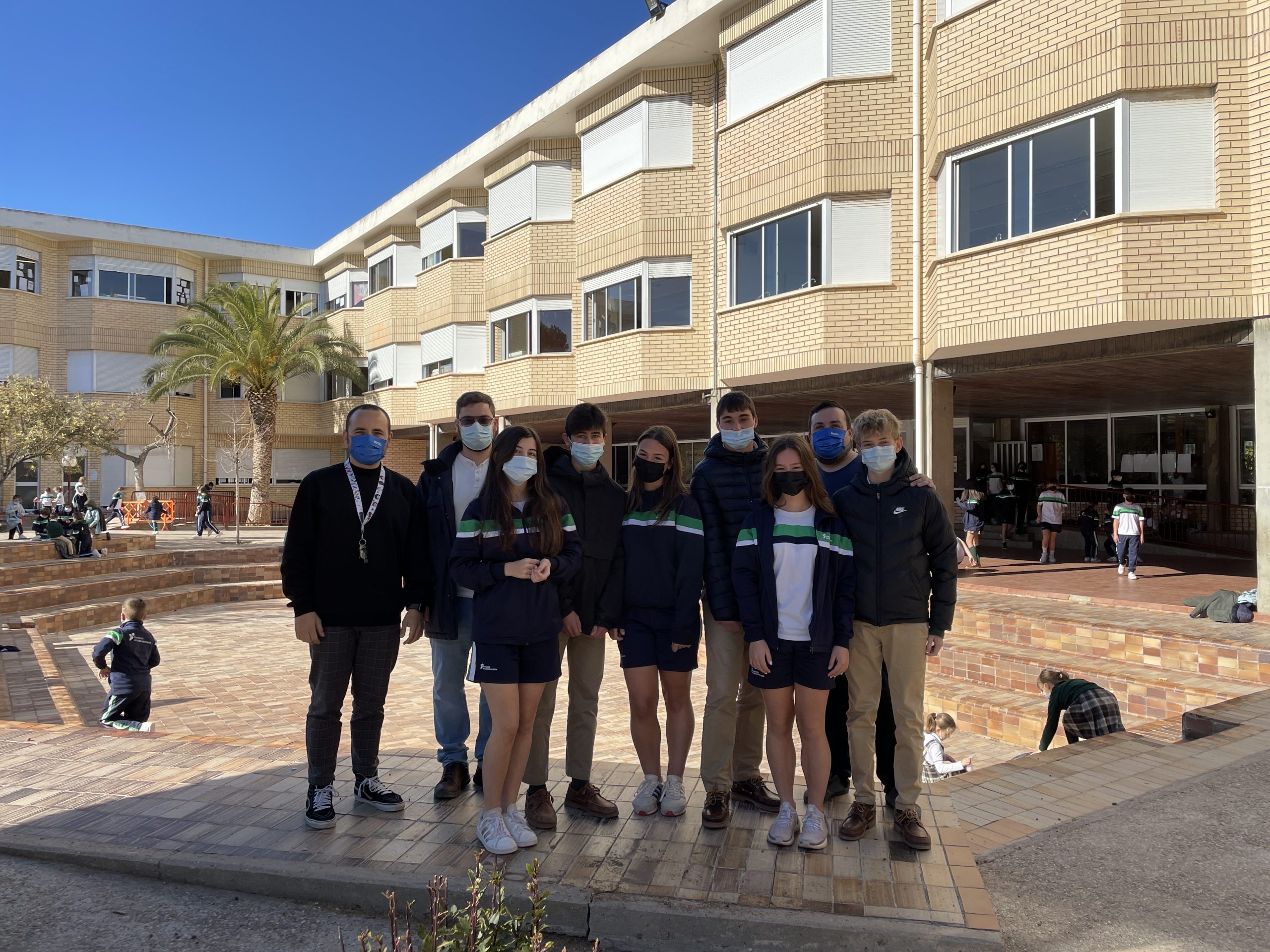
Colegio Teresiano del Pilar in Zaragoza presents the scientific project “The Bacterium that Touched the Sky”, with which they will take part in the #ServetVI launches in spring 2022.
In this time we have come to the conclusion that by using the balloon’s telemetry we can collect the data we want to analyse without needing our own device to measure them. In this way we reduce both the financial cost and the weight of the capsule, and we can devote the money saved to improving it.
To select the most suitable camera for the probe we have tested the resistance of several models to low temperatures similar to those they will meet. Alongside this, we are considering using a 360-degree camera, which can take images of both the balloon and the bacterial cultures, making tracking easier and measurements simpler to take.
As for the grid we were going to use to calculate the volume of the balloon, we have decided to replace it with the camera’s pixels. This way, we can extrapolate the size of the balloon from the pixels captured along its path.

Finally, over the last few weeks, we have carried out a series of experiments related to the bacterial cultures and the capsule prototype. We have run several tests to check the approximate total weight of the capsule and how it will fare once anchored. As for the cultures, we have done the first tests with the bacterial sample that will stay on the ground and the one that will be exposed to artificial UV rays.
100% of the equipment will be funded by our school’s AMPA (parents’ association), whose sponsorship we obtained after telling them about the project and its aim.