
The school has explained the experiment they have carried out in a video published on Instagram
The team has designed an Artemia hatchery using household materials
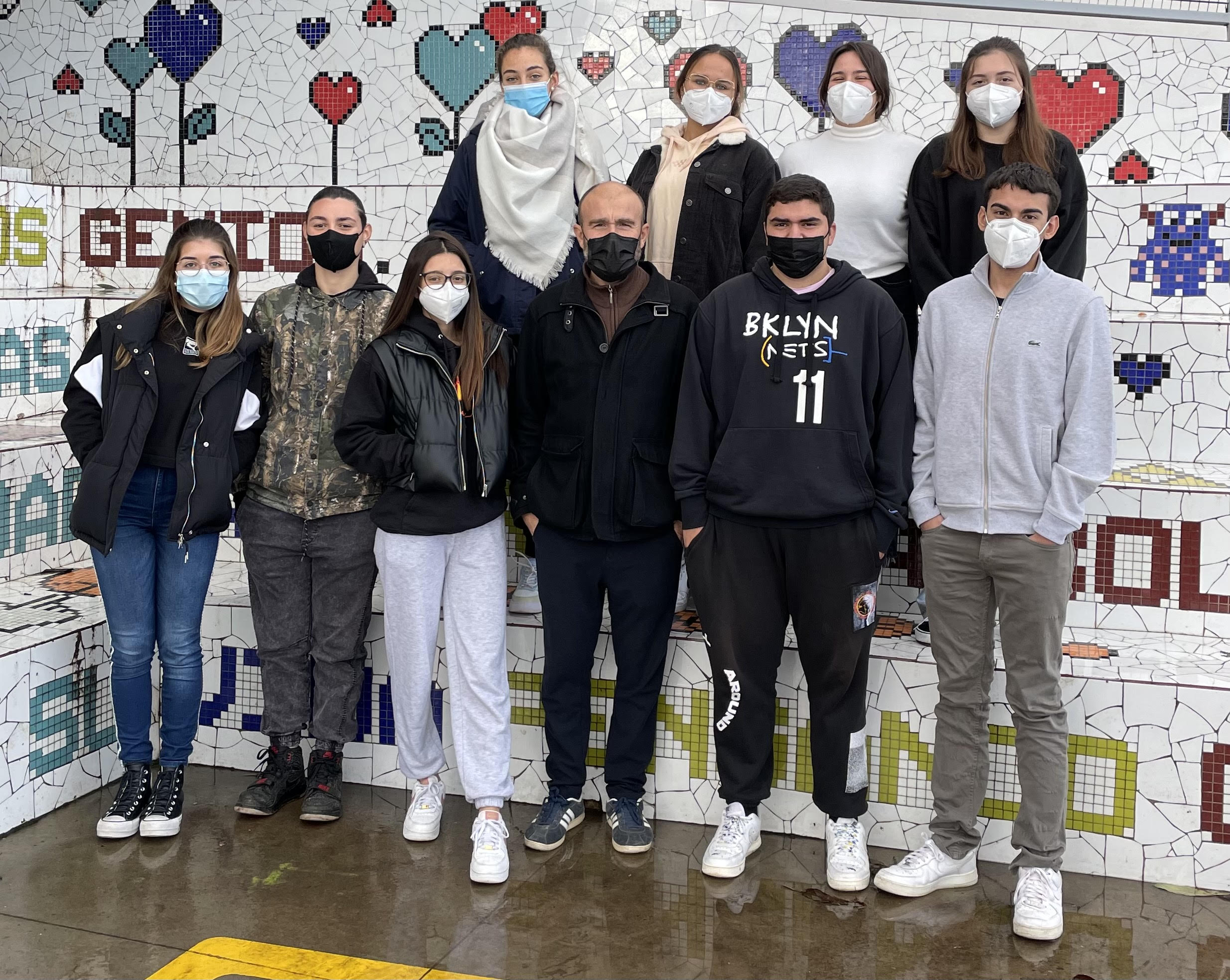
Colegio Nuryana, in San Cristóbal de La Laguna, Santa Cruz de Tenerife, presents the scientific project “Resistance of Artemia salina cysts exposed to stratospheric conditions”, with which they will take part in the #ServetVI launches in spring 2022.
We began this scientific project in mid-November. We found the idea proposed by the Servet project very interesting and innovative, so we did not hesitate to take part. Over these weeks we have been working on developing the project, both from the point of view of all the electronics needed to collect data and from a biological point of view. We have also taken care of the social media such as Facebook, Instagram and Twitter to share our progress and make it easy to follow.
At first, with an Arduino board, we designed the circuit with the components we want to include in the project, such as a temperature sensor and a pressure sensor, with the data then stored on a micro SD card. The procedure was a little complicated, as the program sometimes would not run, but we solved these problems one by one, and more complications would come later.
At first we took the data in the classroom, but then, to see down to what temperature and pressure our circuit worked well, we put it in the freezer and in a vacuum chamber. This is where we ran into one of the biggest complications: at low temperatures it worked correctly, but when we put it in the chamber, the device switched off when the pressure was lowered. After several failed attempts, we realised that the problem was that the power bank we were powering it with switched off when it detected very little electricity demand. Finally, we downloaded these data and transferred them to a spreadsheet.

As for the biological part, we have designed an Artemia hatchery, using household materials to build it. For it to work, the temperature had to be around 25 degrees and the lighting adequate.
https://www.instagram.com/reel/CaRYR0DjnUS/?utm_source=ig_web_copy_link
During this part we ran into the problem of counting the cysts: because of their small size it was a difficult task (so far, we have counted about 5,000 cysts under the magnifying glass). Initially the hatching success gave very low values, with a wide difference between bottles. To solve this, we proposed doing the count in parts, spread over different days, so we kept the cysts from each bottle in different jars with a 70% alcohol solution to preserve them. Thanks to this we obtained more precise results.

We are currently still counting Artemia so that we have an average of total hatchings, so that when the launch is over we can make a comparison. On the technology side, we are designing the PCB with EasyEDA, soldering everything and building the enclosure, as well as adding the camera.