In this post we gather the work of the Servet IX participants. Citizen science within everyone’s reach
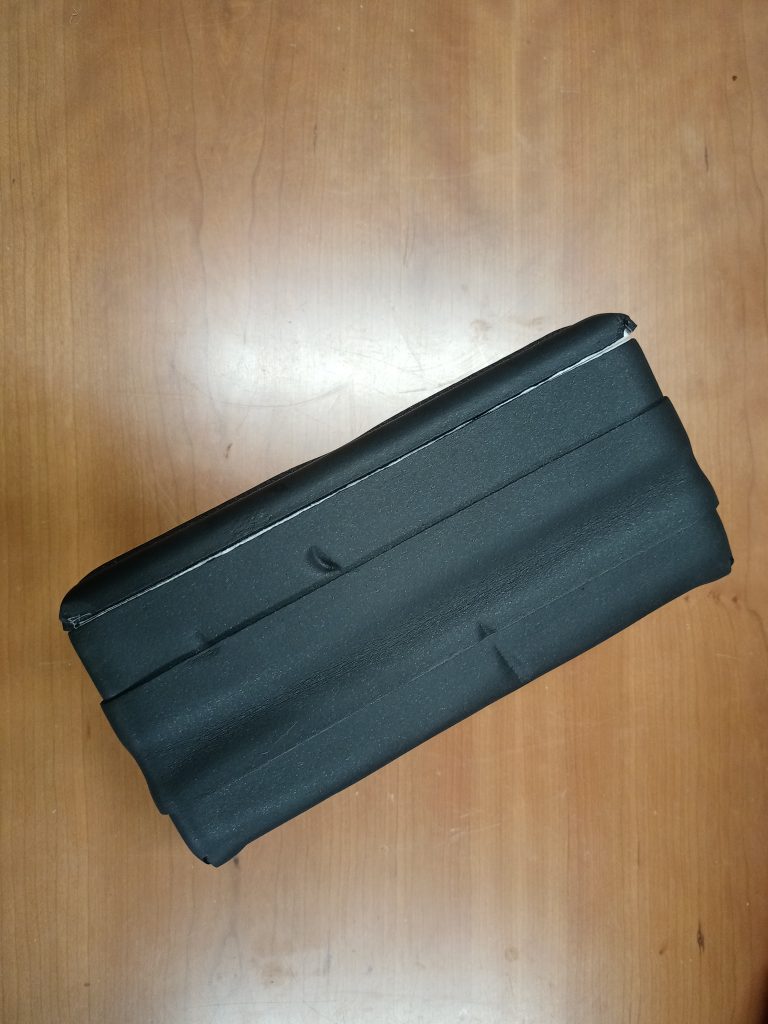
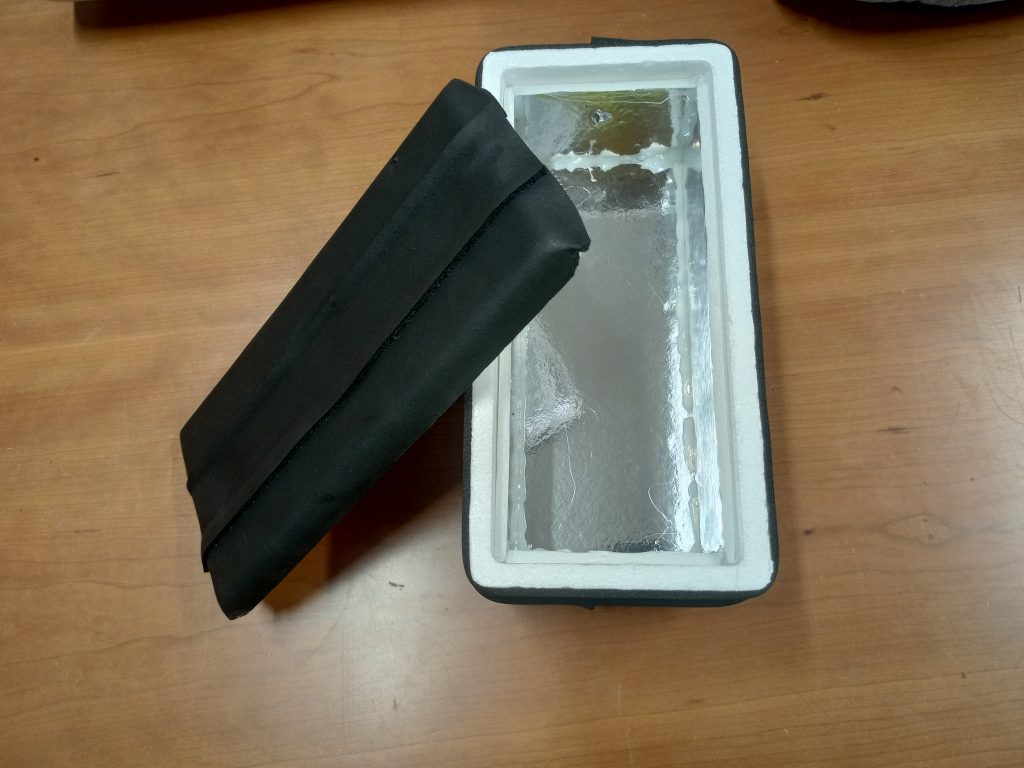
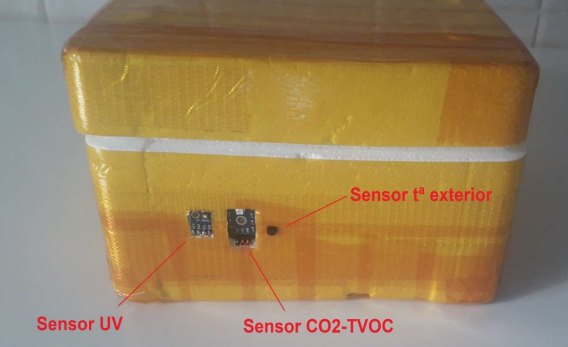
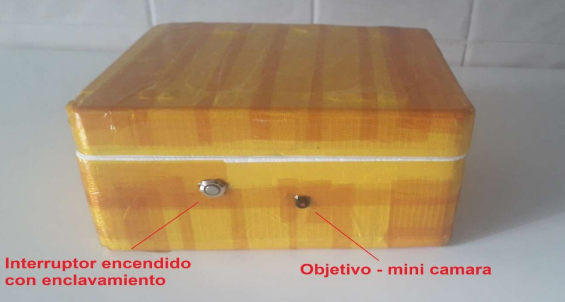
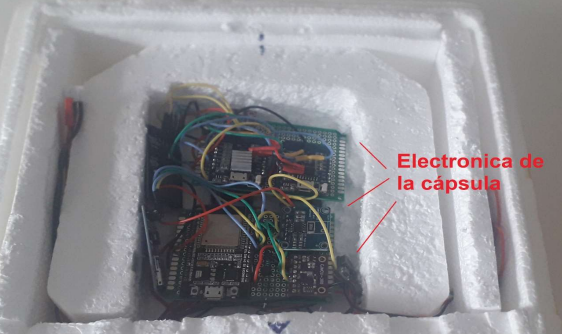
“My project is almost ready to launch. On the electronics side, I still need to add the SD module to the code and the temperature sensors, but the connection to TTN already works. As for the box, it only needs two finishing touches to be ready (straws and a freezer test before balancing the weight). In principle, everything else is finished”
SOBC Test by Josep Curto Lapeira
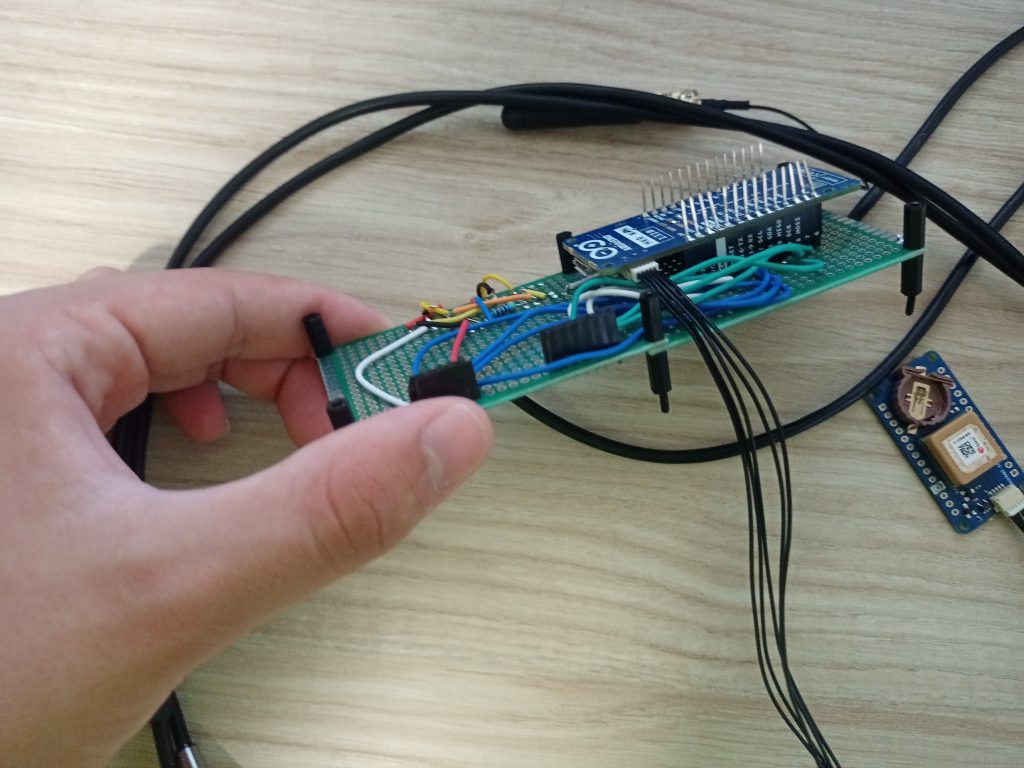
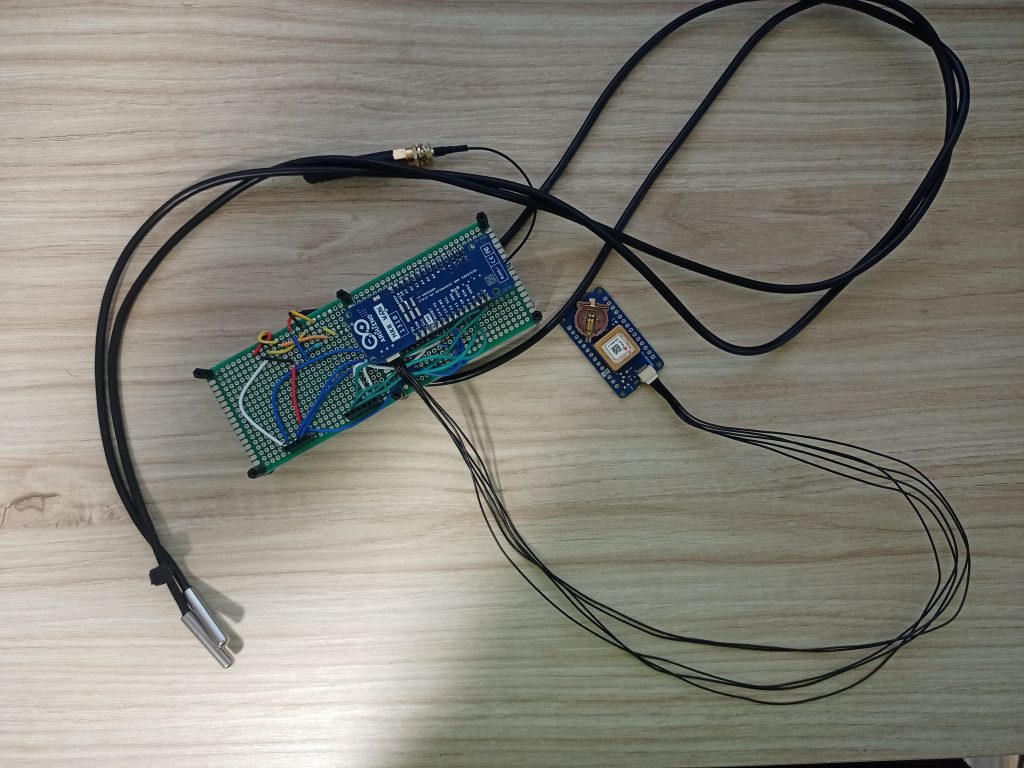
GENSAT-1 by Antonio Prieto Rodríguez
“The Gensat I project is quite advanced in terms of construction. The installation of the GPS and the radio transmitter still needs finishing, as well as fixing the already wired electronics to the capsule. The programming part is ready. Temperature tests (in a chest freezer) and radio range tests with a LoRa transmitter have been carried out. An impact test is still needed once everything is ready, and a battery life test at -20C once everything is assembled”
The Air and Space Box Program by David Medina
“The main aim is to find a solution that guarantees the stability of the capsules as they ascend to the stratosphere, and thus provide a stable platform while they collect information about the atmospheric environment and carry out experiments. This time we have adopted an alternative approach to the traditional “Magnus effect”, which we previously investigated in the Servet 5 and 7 missions, since its efficiency drops as the probe ascends. The fundamental principle behind this experiment is the compressibility of air or of inert gases such as helium (He). This novel approach aims to achieve the greatest efficiency at maximum altitudes. In addition to this innovation, the probe will carry other experiments, including the evaluation of our new tracking software over the TTN network and of the prediction of the recovery point”.
StarDust by César Rangil López
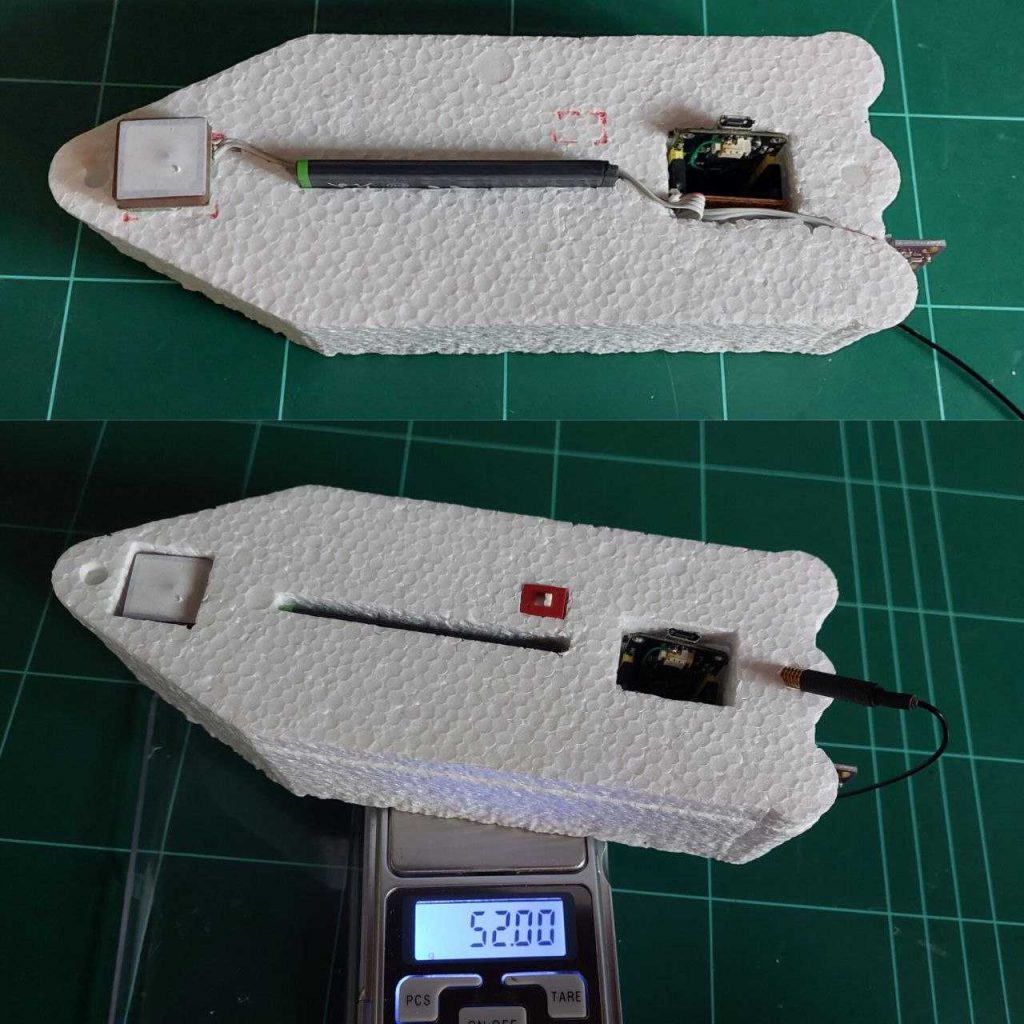
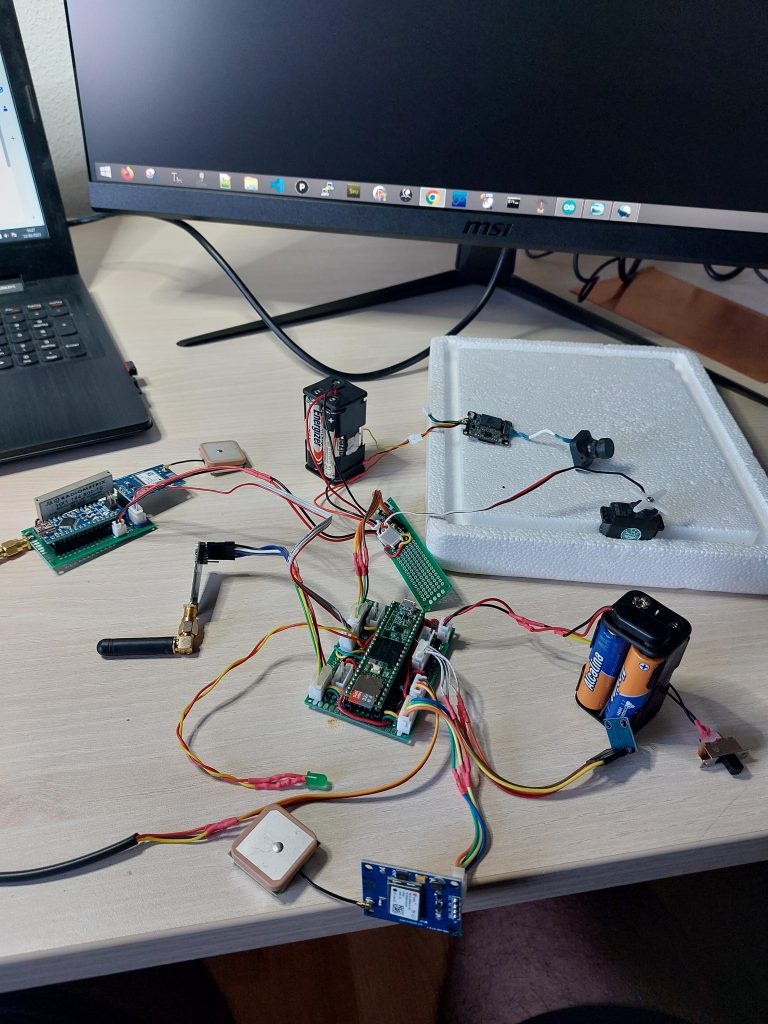
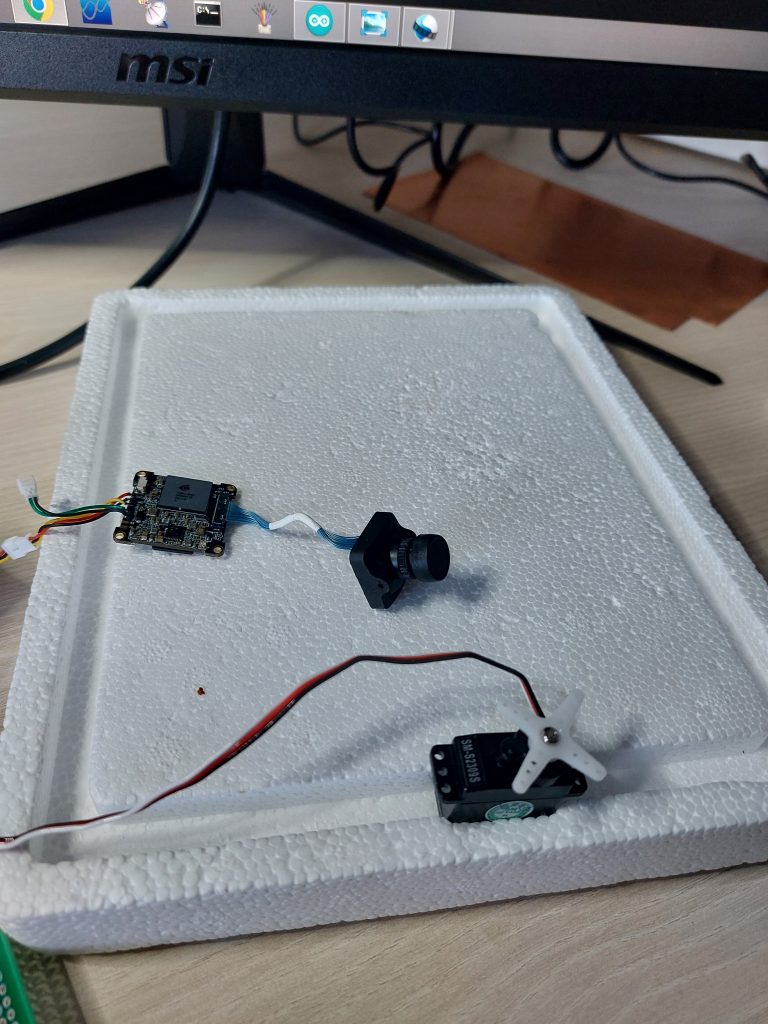
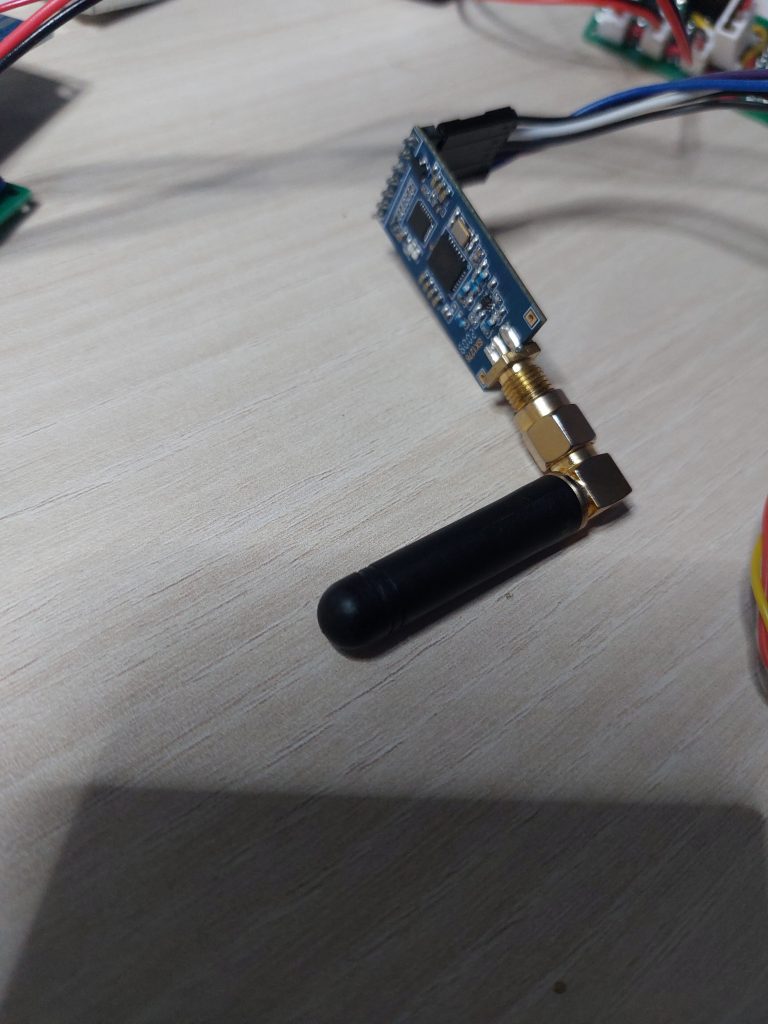
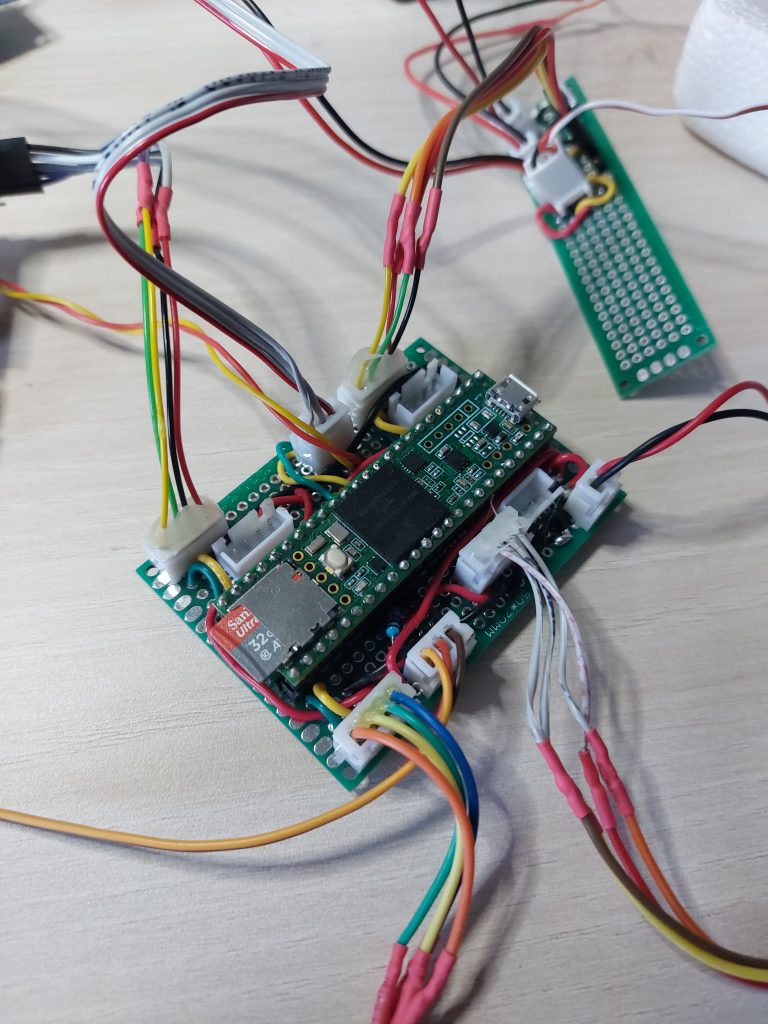
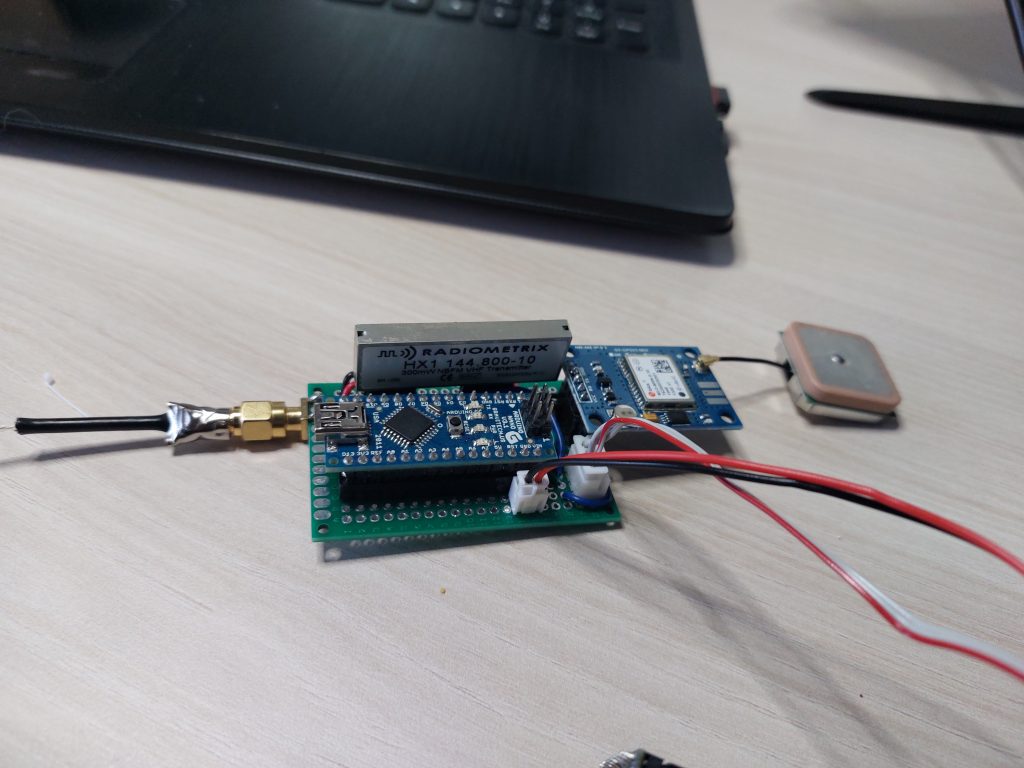
“The electronics of the probe are practically finished. It has an APRS module controlled by an Arduino Nano that receives data from the main processor (Teensy 3.5) over serial and transmits at 144.800 MHz the probe’s position, altitude, speed and heading, as well as other sensor values (Vcc, Ti, Te, P…). The sensors are: position (latitude, longitude, altitude) and time: GPS Neo 8M; atmospheric pressure: BMP180; capsule interior temperature: BMP180; exterior temperature: DS18B20. The camera chosen is a Baby Turtle HD”.
Still pending: design of the sampling plate that will be mounted on a mini servo and will change position depending on the probe’s altitude at each moment. Integration of all the components into the extruded polystyrene structure. Full test of all subsystems.
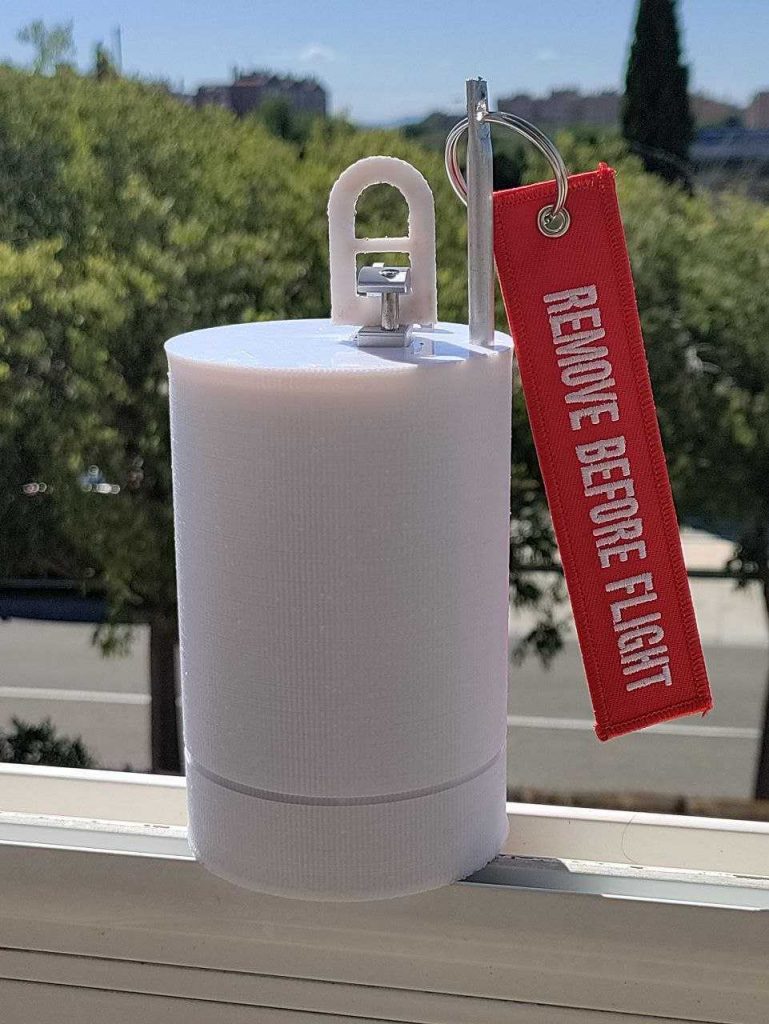
Javier Briz: capsule with a mechanism to cut the balloon’s string (this way the capsules are not lost)
S3I (Servet’s Stratospheric Stereoscopic Imager) by Juampe López
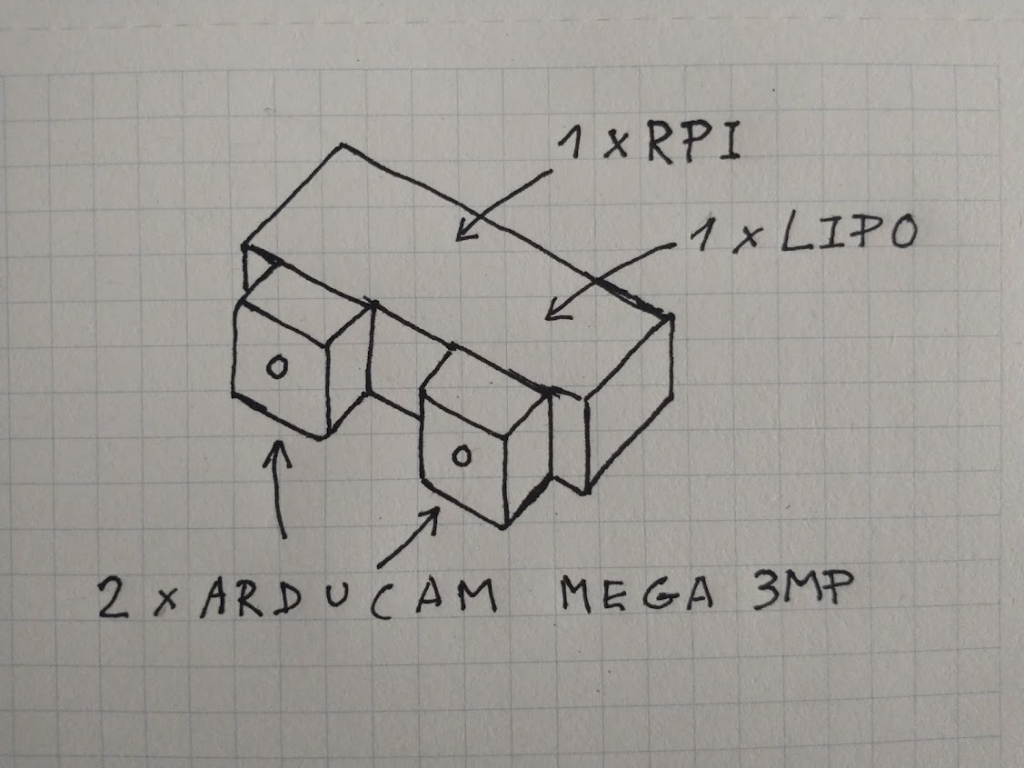
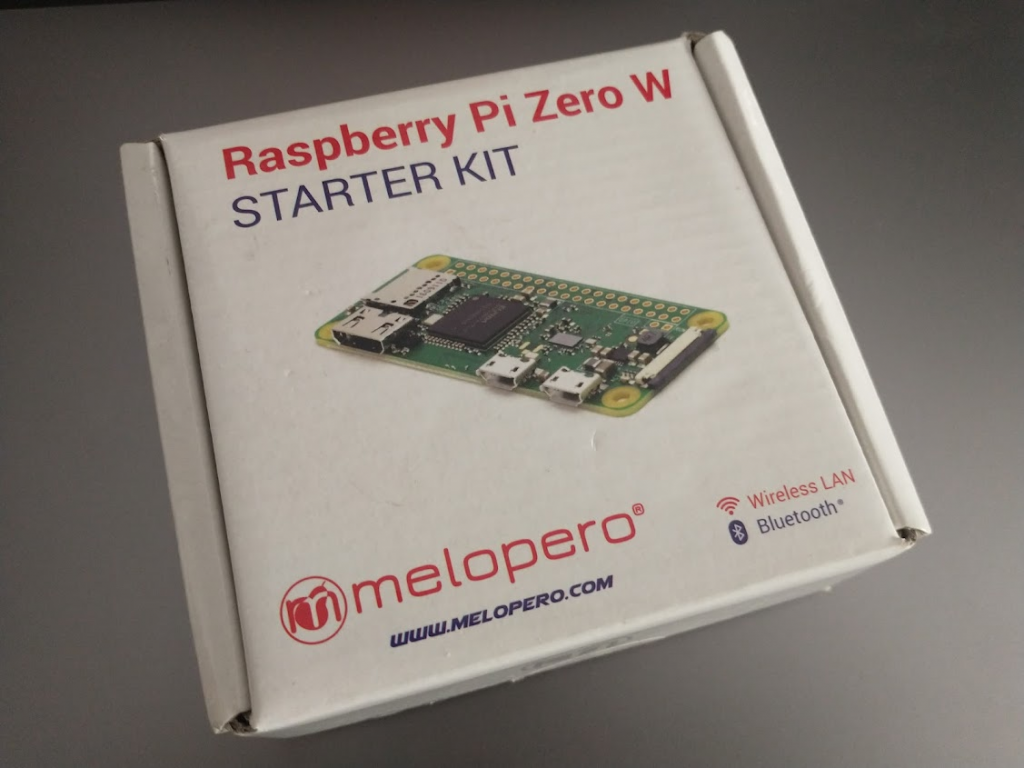
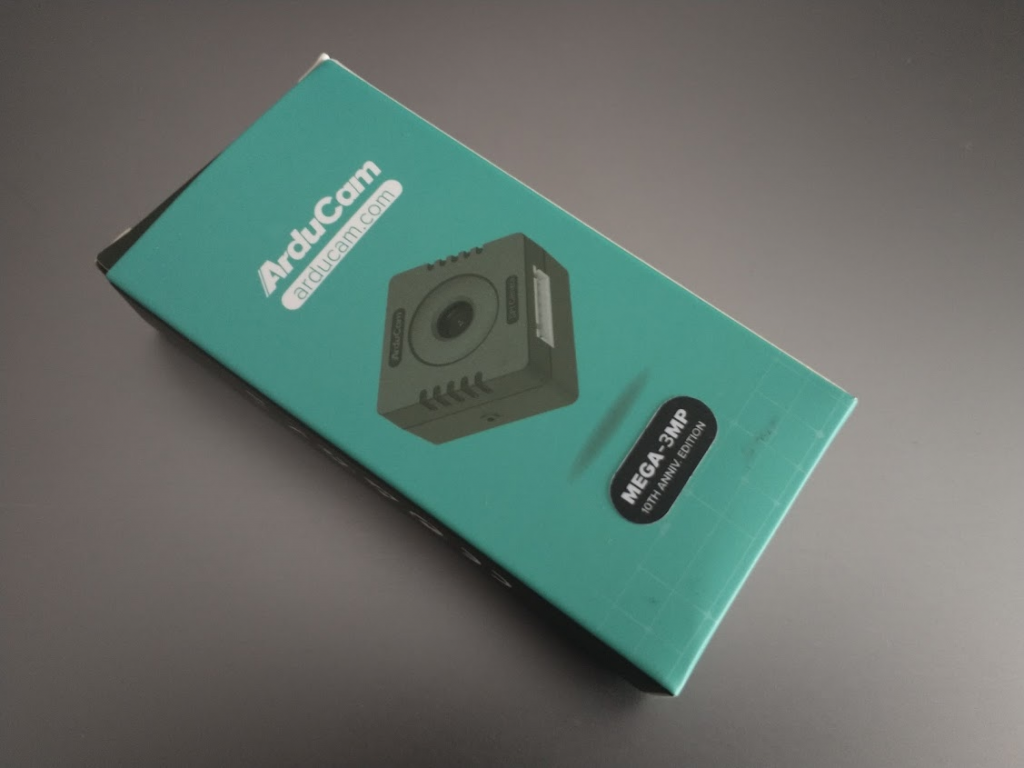
“The capsule will take stereoscopic images (left eye and right eye) of the stratosphere and store them so that we can experiment with them after landing using computer vision. For this we will use two 3MP Arducam cameras controlled by a Raspberry Pi Zero W board over the SPI bus. As a curiosity, this Raspberry Pi already flew to the stratosphere on an earlier Servet flight. In the current phase, we have started designing the capsule itself “with pencil and paper” as a step before the 3D CAD design with the correct dimensions needed for all the components. We have also started to investigate all the options for programming the board (probably C on Linux), as we have both the cameras and the board. In the next phase we hope to have images taken by the cameras and to be able to give a small demonstration of the stereoscopic 3D effect, as well as a prototype of the capsule”.